What is a Zero Waste Lifestyle?
A zero waste lifestyle is about moving towards a circular economy where we wipe trash out of existence. A circular economy stands on the principles of designing out waste and…
0 Comments
June 14, 2021


A zero waste lifestyle is about moving towards a circular economy where we wipe trash out of existence. A circular economy stands on the principles of designing out waste and…

The Brundtland report published in 1987 by the ‘World Environment and Development Commission’ introduced the concept of sustainability. However, it was only at the end of the 1980s when the…

The circular economy concept has a deep-rooted origin, and part of it first appeared in 1966 in the book by Kenneth E Boulding, which explained that there should be a…

Bioplastics are biodegradable materials that are manufactured using microorganisms, renewable raw materials, petrochemicals, or combinations of all three. Considered as the answer to traditional plastic which contaminates the environment and…

The first bioplastic was discovered by Maurice Lemoigne (French Researcher) in 1926, but due to the abundance of synthetic plastics during that time, it didn't gain popularity. However, after 1970,…

In 1930, American chemist Wallace Carothers, known for the research and development of Neoprene and Nylon in a chemical company named Dupont, invented PLA plastic. Commercial production of PLA plastics…

Plastic pollution occurs when plastic items accumulate in our environment, negatively impacting wildlife, nature and even humans. Plastics bottles are one of the most common packaging materials used due to…

You are probably already aware that plastic takes years to break down into microplastics that end up contaminating the environment and food courses. Plastic bags are a major part of…
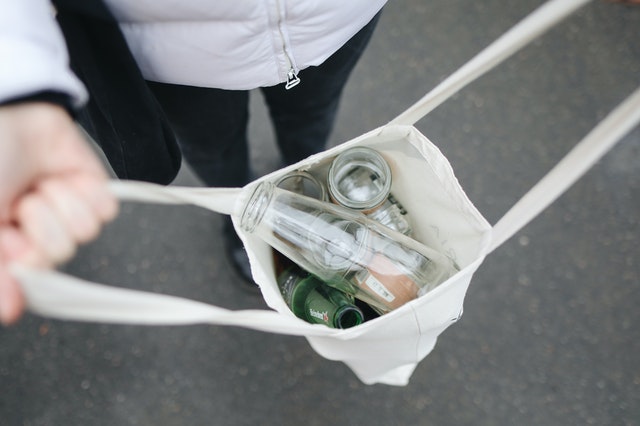
Plastic is one of the most convenient ways to transport food and water. However, more people are becoming aware of the harmful effects plastic has on the environment. As such,…

The fashion industry is the third largest global contributor to pollution and the second largest consumer of the world’s water supply. Up to 10% of the entire world’s carbon emissions…